影片详情
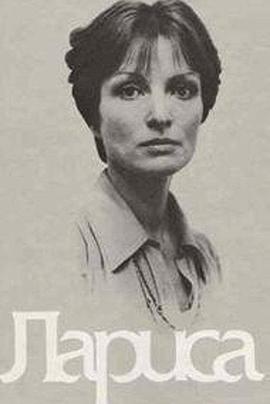
拉莉萨
A loving film tribute to Russian filmmaker Larisa Shepitko, who died tragically in a car accident in 1979 at the age of 40. This documentary by her hu
- 类型
- 剧情片
- 年份
- 1980
- 地区
- 其它
- 语言
- 其它
- 导演
- 依莱姆·克里莫夫
- 主演
- 依莱姆·克里莫夫,Valentin,Rasputin,Stefaniya,Stanyuta
播放地址
《拉莉萨》选集
剧情资料
剧情简介
《拉莉萨》讲述的是什么故事?
《拉莉萨》A loving film tribute to Russian filmmaker Larisa Shepitko, who died tragically in a car accident in 1979 at the age of 40. This documentary by her husband, Elem Klimov, includes excerpts from all of Shepitko's films, and her own voice is heard talking about her life and art. Elem Klimov's grief-stricken elegy Larisa examines the life of his late wife—the film director Larisa Shepitko—through a series of direct-address interviews and photomontages, set against a mournful visual-musical backdrop. Typically, Klimov films his subjects (which include himself and several of Shepitko's collaborators) within a stark, snow-covered forest, its tangled web of trees standing in as metaphorical representation of a perhaps inexpressible suffering, the result of Shepitko's premature death while filming her adaptation of Valentin Rasputin's novella Farewell to Matyora. Interweaving home movie footage with sequences from Shepitko's work (Maya Bulgakova's pensive plane crash reminiscence from Wings takes on several new layers of resonance in this context), Larisa's most powerful passage is its first accompanied by the grandiose final music cue from Shepitko's You and I, Klimov dissolves between a series of personal photographs that encompass Larisa's entire life, from birth to death. This brief symphony of sorrow anticipates the cathartic reverse-motion climax of Klimov's Come and See, though by placing the scene first within Larisa's chronology, Klimov seems to be working against catharsis. The pain is clearly fresh, the wound still festering, and Klimov wants—above all—to capture how deep misery's knife has cut.
一、《拉莉萨》是哪一年上映的?
《拉莉萨》是依莱姆·克里莫夫于1980年拍摄的一部经典剧情片。此片开创其它当代剧情片的先河,《拉莉萨》上映时票房稳坐前三,创下当年纪录。当时依莱姆·克里莫夫,Valentin,Rasputin,Stefaniya,Stanyuta均为最佳主角,依莱姆·克里莫夫,Valentin,Rasputin,Stefaniya,Stanyuta以精彩演技和突出形象,奠定在其它影坛地位。依莱姆·克里莫夫,Valentin,Rasputin,Stefaniya,Stanyuta饰演角色造型多年后仍为人所模仿。依莱姆·克里莫夫之前曾被人怀疑其能力,而《拉莉萨》却奠定依莱姆·克里莫夫剧情片风格。《拉莉萨》首映时曾获海外剧情片和媒体广泛称誉,被认为其优秀程度,是足以与同时期(指1980年代)其它优秀剧情片齐名。
二、被称为剧情片的开先河之作的《拉莉萨》,是依莱姆·克里莫夫最好的作品吗?
从依莱姆·克里莫夫斩获剧情片最佳导演开始,很多观众就觉得这部《拉莉萨》是他极具代表性的剧情片。虽然依莱姆·克里莫夫后来还拍出过评价很好的作品,但是《拉莉萨》依然常被认为是他剧情片创作中的重要代表。
三、《拉莉萨》为什么可以成为经典?
提起其它,不少观众都会想到《拉莉萨》的名字。这部由依莱姆·克里莫夫导演,依莱姆·克里莫夫,Valentin,Rasputin,Stefaniya,Stanyuta主演的《拉莉萨》,在当时凭借鲜明的人物塑造和紧凑的剧情片叙事获得了不错反响。正是人物命运、情绪推进和故事节奏之间的相互配合,让《拉莉萨》在同类型作品中具有较高辨识度,也让观众对其中的情节留下深刻印象。
四、如何评价《拉莉萨》?
《拉莉萨》口碑表现稳定,深受广大观众喜爱。不仅依莱姆·克里莫夫,Valentin,Rasputin,Stefaniya,Stanyuta的表演有看点,而且该剧情片故事情节紧凑,不卡影院(www.sxlongtaiwl.com)观看起来流畅,同时还能保持较强的剧情吸引力。虽然不同观众对《拉莉萨》的评价各有侧重,但该片目前的受欢迎程度已经名列同类作品前茅。
五、《拉莉萨》剧情片的主要内容
《拉莉萨》是一部剧情片作品,由导演依莱姆·克里莫夫执导,依莱姆·克里莫夫,Valentin,Rasputin,Stefaniya,Stanyuta主演。影片围绕主要人物的经历展开,通过人物关系、情节推进和情绪变化,呈现出一段具有观看价值的剧情片故事。
《拉莉萨》A loving film tribute to Russian filmmaker Larisa Shepitko, who died tragically in a car accident in 1979 at the age of 40. This documentary by her husband, Elem Klimov, includes excerpts from all of Shepitko's films, and her own voice is heard talking about her life and art. Elem Klimov's grief-stricken elegy Larisa examines the life of his late wife—the film director Larisa Shepitko—through a series of direct-address interviews and photomontages, set against a mournful visual-musical backdrop. Typically, Klimov films his subjects (which include himself and several of Shepitko's collaborators) within a stark, snow-covered forest, its tangled web of trees standing in as metaphorical representation of a perhaps inexpressible suffering, the result of Shepitko's premature death while filming her adaptation of Valentin Rasputin's novella Farewell to Matyora. Interweaving home movie footage with sequences from Shepitko's work (Maya Bulgakova's pensive plane crash reminiscence from Wings takes on several new layers of resonance in this context), Larisa's most powerful passage is its first accompanied by the grandiose final music cue from Shepitko's You and I, Klimov dissolves between a series of personal photographs that encompass Larisa's entire life, from birth to death. This brief symphony of sorrow anticipates the cathartic reverse-motion climax of Klimov's Come and See, though by placing the scene first within Larisa's chronology, Klimov seems to be working against catharsis. The pain is clearly fresh, the wound still festering, and Klimov wants—above all—to capture how deep misery's knife has cut.